

Category: bonejoint2
Meet Dr. Kulpreet Sahota
 Kulpreet Sahota, MD, FAAPMR, joined Bone & Joint in 2010. She is a fellowship trained, board-certified pain management specialist.
Dr. Sahota diagnoses and manages musculoskeletal pain disorders, including the treatment of back and neck pain, pinched nerves, and sciatica pain. She also treats chronic pain caused by arthritis, myofascial, central, and complex regional pain syndromes, headaches, migraine, and low back injuries. Dr. Sahota cares for people suffering from muscle and nerve spasms, spinal disc ruptures, and sacroiliac joint pain.
To diagnose the cause of her patient’s pain, Dr. Sahota uses electrodiagnostic testing (EMG/NCS), ultrasound and X-rays. Depending on the […]
To body check or not to body check? That’s the question circling many youth hockey teams.
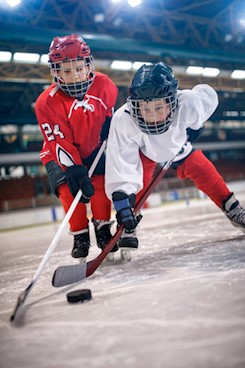 Parents watch anxiously from the cold bleachers of the hockey rink as two players fight for the puck.
Grainger gains control for a few seconds. Then, Simmons body checks him. Grainger goes down hard. A crescendo of opposing cheers rattles the iron rafters.
Grainger’s mom watches in dismay as the medics help her son off the ice. It was a hard hit. She worries about her son’s injuries as she steps down the bleachers on her way to the locker room.
Hockey, by design, is a physical sport. With the recent concerns about concussions and other serious injuries, […]
Stretch before winter fun
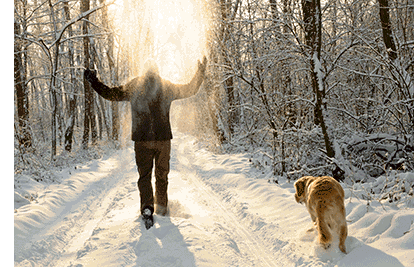 Bare trees, snow, ice, and brisk air can only mean one thing it’s time to break out the cold-weather gear and head outside for winter activities. But, while the winter season creates an opportunity for frosty fun, competing and working out in the cold temperatures can leave your muscles, bones, and joints prone to injury.
Snow and slush can cause strains and sprains.
A change in season usually means a change in your regular workout or activity. Unless you have been conditioning your bones and soft tissues, they will be unprepared to handle the stress of the new movements, increasing your risk for strains and sprains.
Cold […]
Prevent ladder injuries. Follow the “Rule of Three” and other ladder-safety tips.
Cleaning gutters. Washing windows. Holiday decorating.
These are just a few of the chores people will complete this fall while using a ladder.
They also may be the reasons that orthoinfo broadcasts public-safety-announcements (PSAs) about ladder safety. Or perhaps the good people at orthoinfo want you to avoid becoming part of EHS Today’s “Idiots on Ladders” photo gallery. Caution: The stunts depicted in these photos should only be undertaken by trained stunt professionals.
According to the U.S. Consumer Product Safety Commission, more than 500,000 ladder-related injuries required medical treatment in […]
Winter is a great time for groin pulls
Whether you play hockey or your foot slips while you’re walking across an icy driveway, stretching one of your inner thigh muscles past its normal limits can cause significant pain.
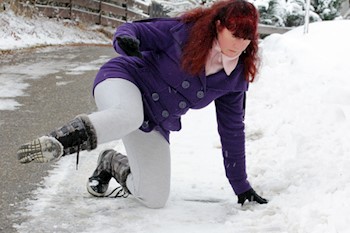 Most groin pulls occur when you move your leg with a fast and forceful motion or your leg changes direction rapidly. The level of pain accompanying a groin pull depends on the severity of the adductor muscle injury. Like other strains, groin pulls are diagnosed using a graded scale.
- Grade 1 – The adductor injury is classified as a slight tear. After the initial sharp pain, […]
Lunges and straddles help build leg strength and flexibility
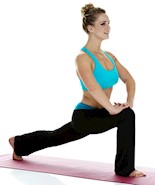
Lunges are great cross-training exercises for almost any discipline. Forward, reverse, side, or diagonal lunge positions work to sculpt, define, and strengthen large lower body muscle groups including the gluteus maximus (glutes), hips, hamstrings, adductors, hip flexors, and quadriceps (upper) thighs.
If you are a beginner or are adding lunges back into your workout routine, you can start with your body’s weight and resistance to strengthen your core and gain balance. Since lunges work large muscles, you may need to complete many repetitions to achieve the desired results. Start with two sets of ten lunges on […]
I don’t want to get addicted to painkillers. What are my options?
 During your assessment, we will work with you to develop a treatment plan that recognizes your concerns and your care preferences.
Sometimes, we may need to prescribe medication in the short-term to get the pain controlled, but we will monitor your pain levels and your medications very closely.
It may help to take a look at what can happen when you take medication. It can affect your body in three ways:
You can build up a tolerance to the medication. When you take medication frequently for a long time, you may need to take larger and larger […]
Five easy exercises to improve your posture
 Good posture keeps your body balanced and your spine aligned. It allows you to hold your head high in social situations, helps prevent head and back aches and increases your shoulder strength.
Whether you are standing, sitting or lying down, it’s important to maintain a proper posture.
We’ve put together a few exercises to strengthen the supportive muscles you need to stand and sit tall.
Standing Wall.
Stand with your back to the wall. Put your heels together. Try to touch the wall with your neck, shoulders and spine at the same time. Hold for 10 seconds […]
Does Bone & Joint offer ImPACT testing?
We currently do not offer ImPACT concussion testing.
We do treat concussions and reference the baseline ImPACT testing done by area schools, athletic trainers, and sport medicine specialists.
What is ImPACT testing?
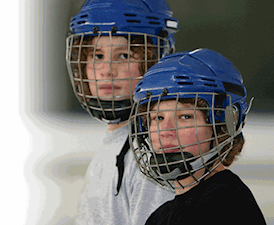
ImPACT testing can be used before and after a traumatic brain injury. Each test should be administered by a trained sports medicine specialist or athletic trainer. Upon completion of the test, a neuropsychologist interprets the scores. According to impacttest.com, the 25-minute test consists of six modules that measure;
- Attention span
- Working memory
- Sustained and selective attention time
- Response variability
- Non-verbal problem-solving
- Reaction time
When combined with a […]
What are the signs of concussion?
You fell and hit your head. But you didn’t lose consciousness.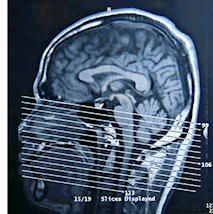
Do you have a concussion?
You may. In 90 percent of concussion injuries, people do not lose consciousness. But there are physical, intellectual and emotional changes that may signal a concussion.
Physical symptoms
- Headache
- Nausea
- Vomiting
- Balance
- Dizziness
- Light sensitivity
- Sound sensitivity
- Blurry or double vision
- Problems sleeping
- Sleeping too much
Intellectual symptoms
- Memory problems
- Feeling hazy, foggy or fuzzy
- Confusion
- Difficulty following simple instructions
- Difficulty concentrating
Emotional symptoms
- Irritability
- Sadness
- Overly emotional
Concussions can be challenging to diagnose. Symptoms may not appear right away, but may develop hours or […]