

Introducing Bone & Joint Now - 24/7 Chat
LEARN MORE CHAT NOW

Comprehensive Concussion Care

Concussion specialists in Central Wisconsin.

When it comes to concussions, you shouldn’t have to compromise on care. Bone & Joint now offers a comprehensive concussion care program led by Dr. Kurt Lawton, a board-certified Sports Medicine Specialist. A Central Wisconsin native, Dr. Kurt Lawton specializes in concussion diagnosis, treatment and rehabilitation. With years of experience in treating sports- and non-sports-related head injuries, Dr. Lawton and his team provide the expert care you deserve without unnecessary travel.

Whether you’re an athlete looking to get back in the game, a parent concerned about your child’s safety, or an employer committed to your team’s well-being, we’re here to guide you every step of the way. From strong partnerships providing expert care along the sidelines to helping employees return to work faster, Bone & Joint is trusted by schools, athletes, families and health care professionals.
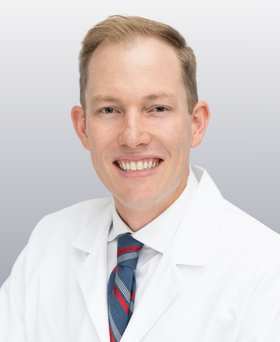
Dr. Kurt Lawton, Sports Medicine Specialist

Why Choose Bone & Joint for Concussion Care?


Our team of experts provides in-depth evaluations to determine the severity of your concussion, creating a personalized plan.

Patients benefit from cutting-edge solutions, including ultrasound-guided therapy, designed to accelerate recovery and prevent future injuries.

Your care team is supported by a network of specialists in orthopedics, pain management, physical therapy and more—working together to get you back to doing what you love.

High-quality concussion care is available at our Rib Mountain, Medford and Merrill clinics, ensuring you don’t have to travel far for top-tier treatment.

Symptoms of a Concussion

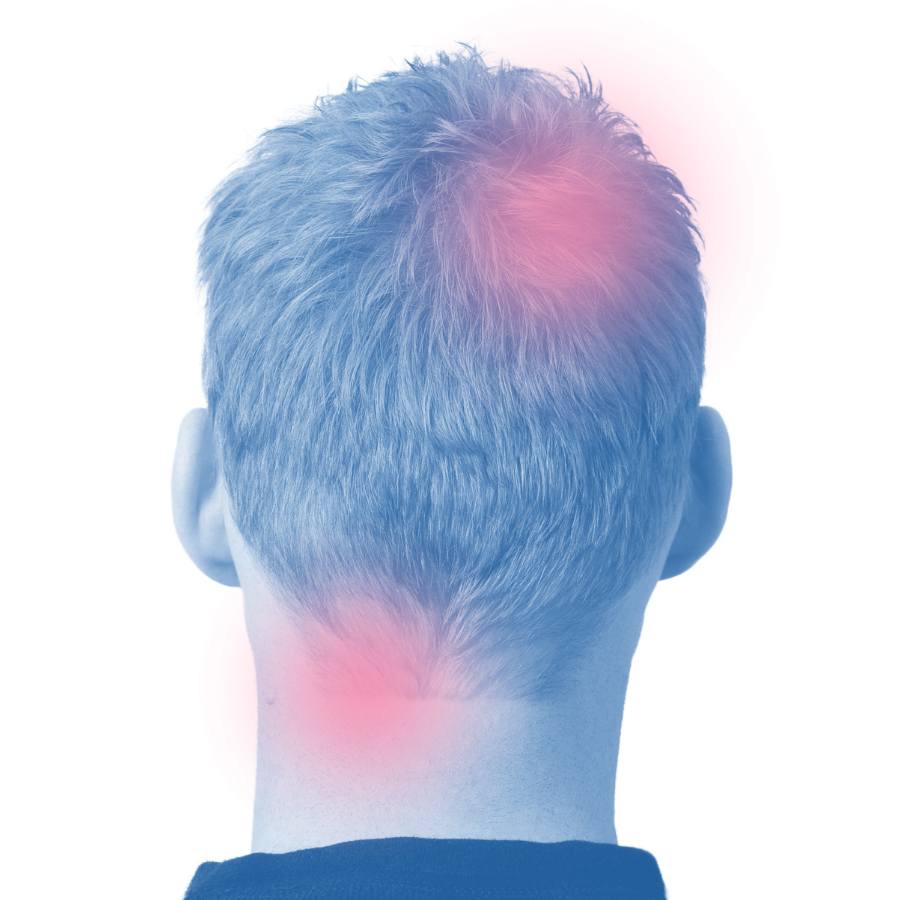
Concussions don’t always show up right away. While you may feel fine after a hit to the head, symptoms like dizziness, confusion or sensitivity to light can appear later. Recognizing the signs early can help you get the care you need for a full recovery.

  • Sleep disturbances (too much or too little)
  • Persistent headache or pressure in the head
  • Dizziness, nausea or balance issues
  • Blurry vision or sensitivity to light/noise
  • Trouble concentrating or remembering things
  • Feeling sluggish, foggy or irritable

Concussion Frequently Asked Questions


A concussion is a type of mild traumatic brain injury (mTBI) caused by a sudden impact or jolt to the head or body, which causes the brain to move rapidly back and forth inside the skull. This movement can result in chemical changes in the brain, damage to brain cells and temporary impairments in how the brain functions. Concussions are often referred to as “mild” because they are typically not life-threatening. However, the effects can still be serious and require proper care.

A blow to the head, neck or body can cause the brain to move quickly back and forth inside the skull. Such injuries also can result in a rotational injury in which the brain twists, potentially causing shearing of the brain nerve fibers. It is not yet known exactly what happens to brain cells in a concussion, but changes in chemical function appear to be involved. As a result, this injury to the brain can lead to a wide spectrum of symptoms and puts extra demands on the body to recover.

Concussions are the most common type of head injury. Concussions are often associated with:

  • Physical violence (such as being shaken or struck in the head)
  • Sports injuries (especially contact sports like football, hockey or soccer)
  • Falls (especially in children and older adults)
  • Car accidents (or any other high-impact collision)

Concussions can manifest differently for every individual, but some common signs and symptoms include:

  • Physical Symptoms:
    • Headache
    • Dizziness or balance issues
    • Nausea or vomiting
    • Sensitivity to light or noise
    • Blurred vision
  • Cognitive Symptoms:
    • Confusion or “foggy” thinking
    • Trouble concentrating or remembering
    • Slower reaction times
  • Mood or Behavior Changes:
    • Irritability
    • Anxiety or depression
    • Unusual sadness
  • Sleep Disruptions:
    • Difficulty falling asleep
    • Excessive fatigue or drowsiness

Symptoms may appear immediately following the injury or develop over hours or even days. A healthcare professional should assess all suspected concussions, even if symptoms seem minor, as complications like second impact syndrome or post-concussion syndrome can arise.

Although more than half of people with a minor head injury experience symptoms a week after the injury, more than 80 percent recover within a month. It is normal for symptoms to go away gradually. A small percentage of patients have symptoms that last longer than six weeks, at which point they are diagnosed with post-concussion syndrome.

Each person recovers from a concussion differently. Recovery depends on factors such as a person’s age and health before the concussion, the severity of their concussion, whether they have had any other concussions in the past and how they take care of themselves after the concussion. Your doctor will provide you with specific instructions to aid your recovery.

Treatment will depend on your symptoms, including emotional, physical and cognitive. Your provider will develop a specific treatment plan for you and help guide you on the track to recovery. Doctors diagnose concussions based on:

  • Imaging tests (CT scans or MRIs) if there is suspicion of structural damage, though they are not always necessary for basic concussion evaluation
  • Details of the injury and symptoms, gathered from the patient or witnesses
  • A neurological examination to evaluate reflexes, coordination and cognitive functions

*source: https://www.ucsfhealth.org/education/faq-concussion#1

Copyright © 2026, Bone & Joint, All Rights Reserved.
Website by firepixel.com